Paramount highlight
Historic working-class character
Paramount's working-class identity is built on the histories of families who came to Southeast Los Angeles seeking stability and opportunity in the post-war decades.
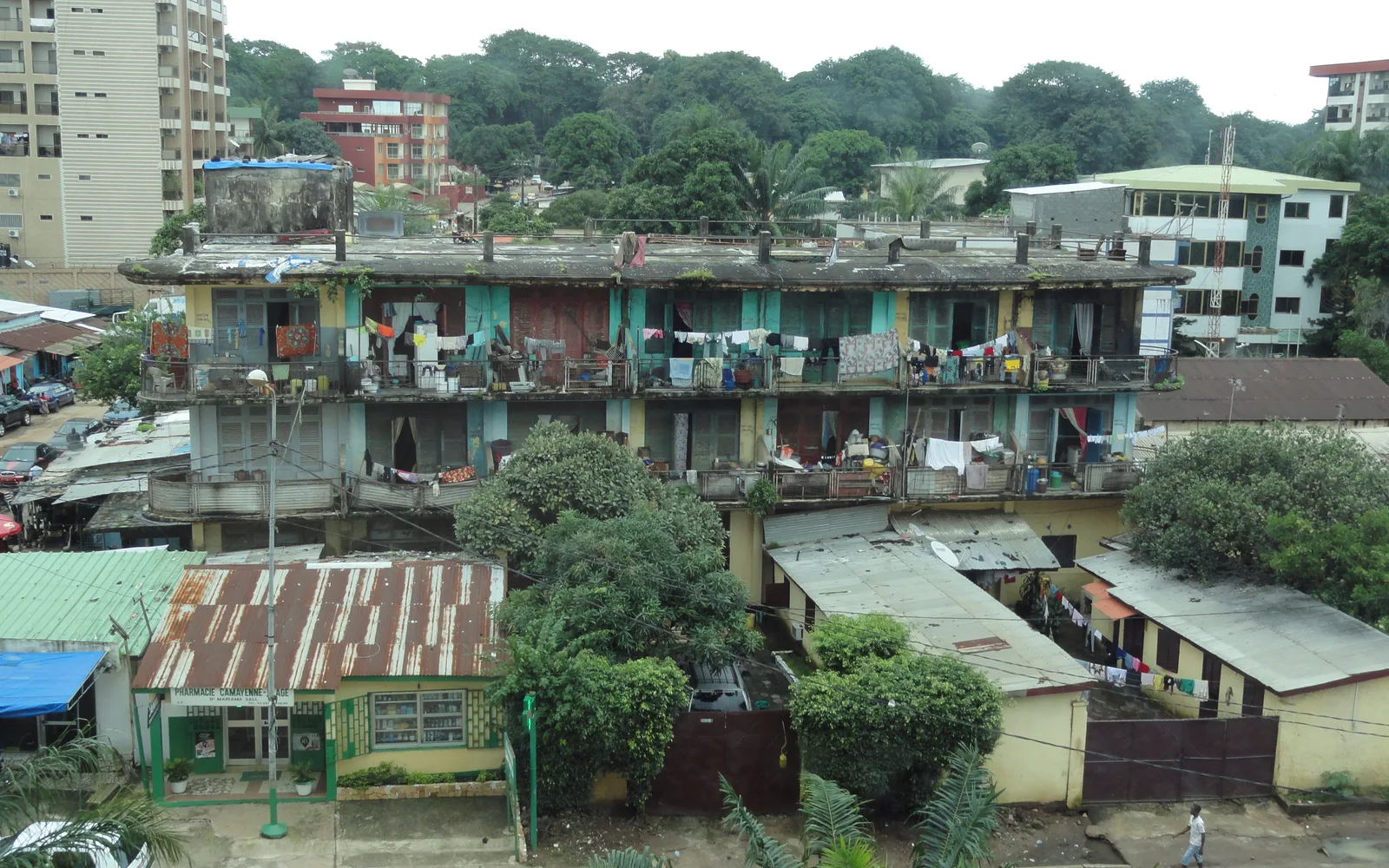
The character of Paramount as a working-class community took shape after the Second World War, when Southern California's industrial growth drew families seeking steady employment and affordable housing. The city itself was incorporated in 1957, formalizing the status of an area that had grown from rural roots into a densely populated residential and commercial center.
That working-class foundation remains visible in Paramount's landscape and economy today. The city has maintained a focus on practical, essential services and industries—manufacturing, distribution, retail, and service sectors—that create employment for residents without requiring long commutes or advanced degrees. Median household income in Paramount is approximately $75,862, reflecting the stable but modest earnings that characterize many working-class households.
Families with this economic profile often build their security around a steady income and careful planning. Life insurance—a term policy that covers the years of peak expenses and obligations—is the practical tool that protects that foundation when an income-earner dies.